
Philippine farmers hope for coconut-craze windfall
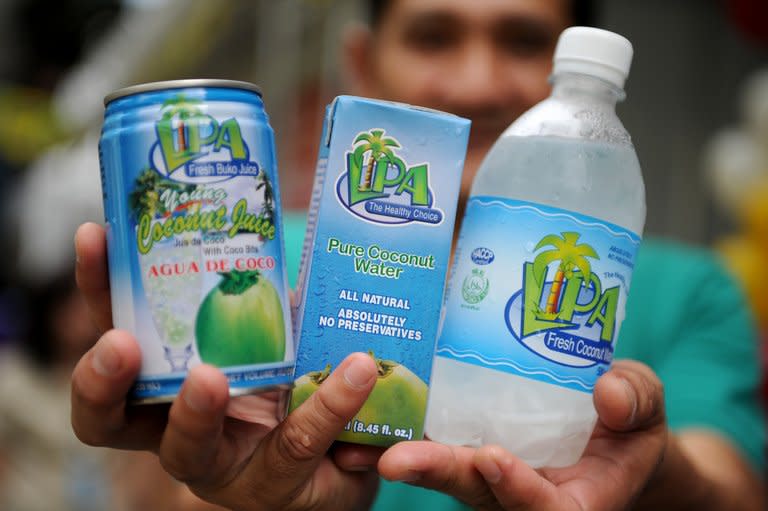
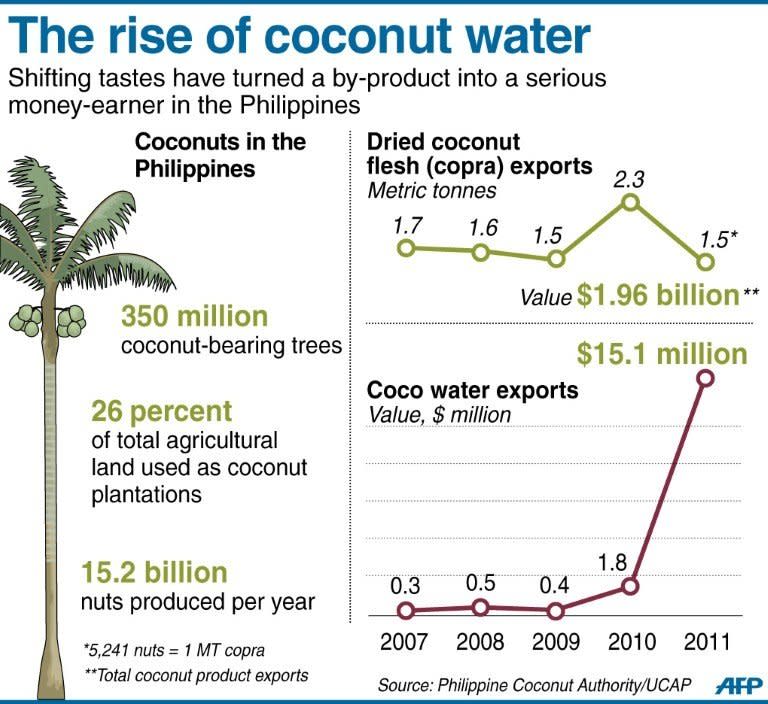
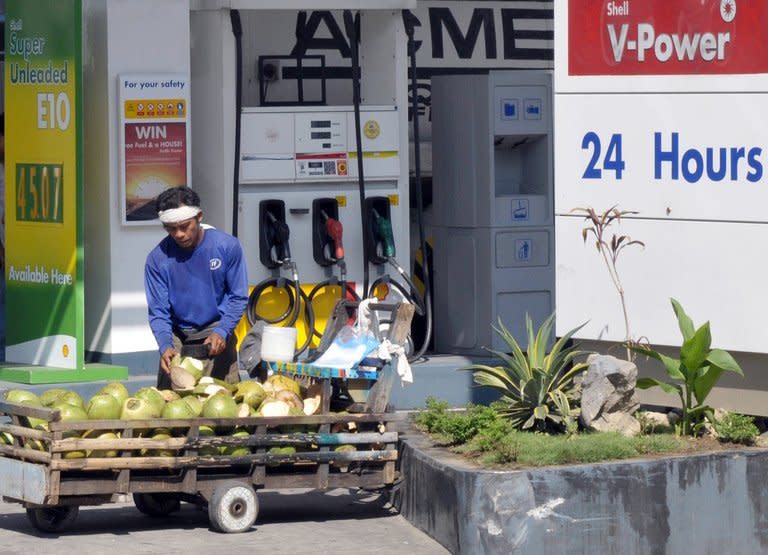
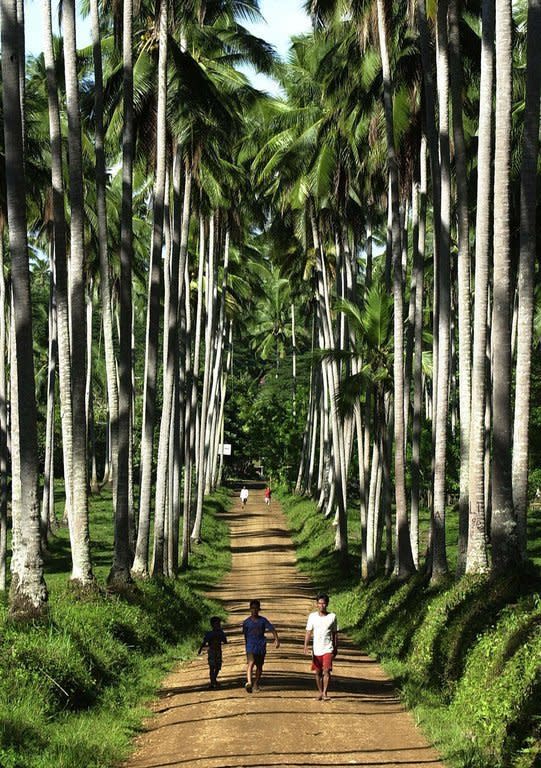
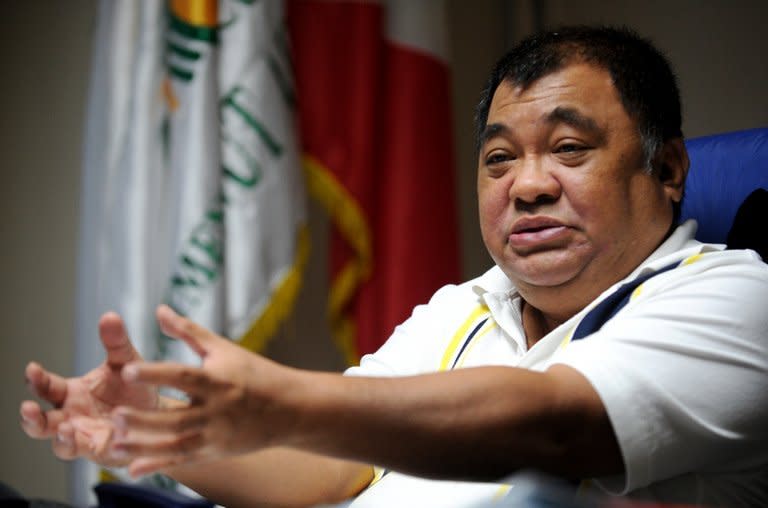
Philippine farmer Liezl Balmaceda has never heard of Madonna, but the US pop star's endorsement of coconut water may help change her impoverished life for the better. After centuries of replenishing Filipinos, the mineral-rich liquid has become a must-have health drink thanks to aggressive marketing by a beverage industry looking to offset soda sales that have lost their fizz. Balmaceda, 33, and her husband process truckloads of coconuts at their backyard each week to get the meat that is turned into vegetable oil. The arduous labour earns the family of five about $9 a day, barely enough to get by. "We just throw the water away when we extract the copra (coconut meat). But if you tell me people actually pay money to drink it, we could use the extra cash," she told AFP in rural Mulanay town, four hours' drive south of Manila. In his most recent state of the nation address, President Benigno Aquino hailed coconut water as one of the country's most promising new export opportunities. He cited industry figures showing exports jumping more than nine-fold to 16.76 million litres (4.4 million gallons) in 2011. Manila-based Fruits of Life is one local business to have started profiting from the growing appreciation in the West for coconut water as an alternative to sugar-laden carbonated drinks. "People have become more health-conscious in general," said Phoebe de la Cruz, sales manager for Fruits of Life. "Athletic types have taken to coco water for its natural electrolytes." Fruits of Life, which began exporting its own branded product in 2006, now exports about 240 tonnes in cans and tetra packs a year directly to supermarket chains in the United States and Canada. The biggest players in the global beverage industry, including Coca-Cola and Pepsi, have also jumped into the coconut water health drink craze in recent years. ZICO, a US coco water brand majority owned by Coca-Cola, has supermodel Gisele Bundchen and basketball star Kevin Garnett as its endorsers. Meanwhile, pop stars such as Madonna and Rihanna, as well as baseball player Alex Rodriguez, are among celebrity shareholders in Vita Coco, one of the other major brands. Its 0.33-litre (11-ounce), $3 drink is touted as a healthier alternative to energy drinks for athletes and the company boasts an office in New York's Flatiron District. The Philippines is already the world's biggest exporter of coconut products. Big Philippine mills have for years processed desiccated coconut meat and turned it into powder for baking biscuits, snack bars, cakes and pastries. Coconut flesh is also turned into vegetable oil used for cooking and in a range of common household products, including bath soap. Supply is not a problem in the Philippines with 350 million coconut trees growing from the beaches up to its hills and yielding 15 billion fruits a year, according to industry regulator the Philippine Coconut Authority. In the Philippines, coconut water remains a popular, cheap drink, with stalls selling it straight from the fruit -- a common site throughout the big cities as well as the countryside. However, because of a lack of demand as well as the costs required to process and preserve it, the water had never been profitable enough to sell overseas, Philippine Coconut Authority chief Euclides Forbes told AFP. "From mere waste it's being turned into gold," Forbes said. Nevertheless, Agriculture Secretary Proceso Alcala said that while coconut water holds the potential of improving the lot of impoverished Filipino coconut farmers, logistical issues held the industry back. "The demand is huge. The only problem is how to bring the liquid to the processing centres before it spoils, since most coconut farms are in hilly areas without good roads," Alcala said. Meanwhile, some farmers remain sceptical that they will cash in on the Western craze, citing the fact they have remained poor for decades while big business has profited from other coconut exports. Among them is Rodolfo Aquino, 68, who is paid by traders to haul coconuts by ox-drawn cart about two hours' drive from Manila. "Whether they want the meat and water or just the meat, we get paid the same," Aquino told AFP.
