
China island row takes bite out of Japan tourism
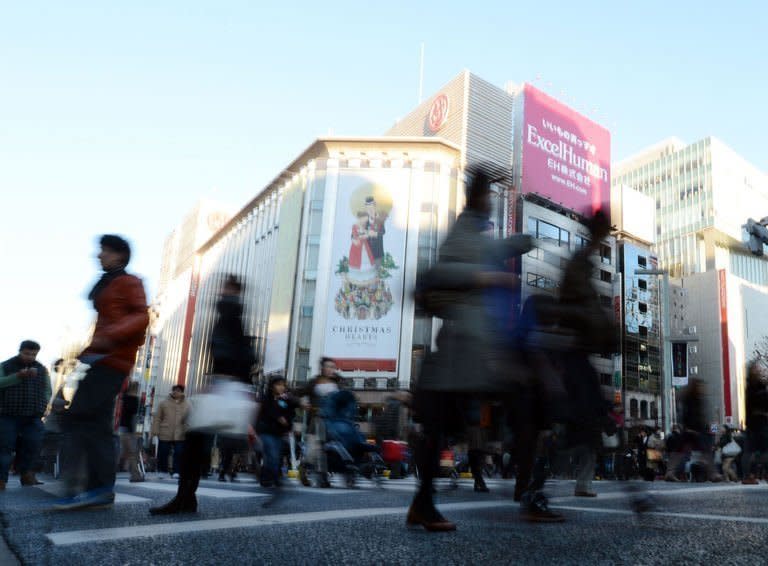
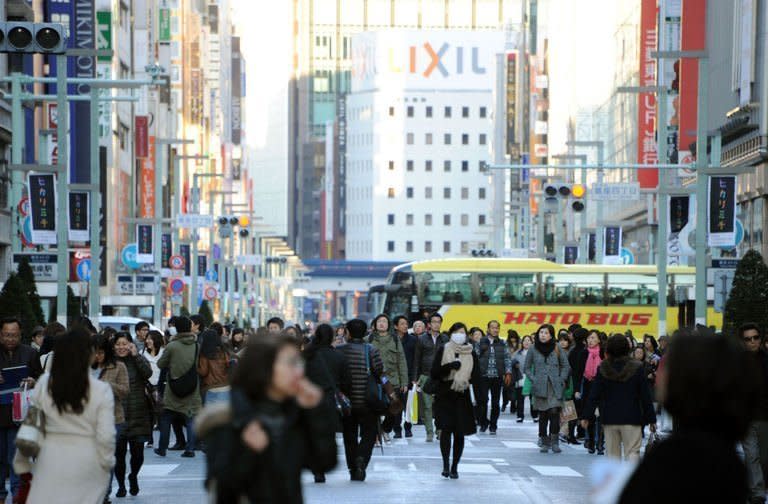
The sound of Mandarin-speaking tourists and the cash tills they set ringing have become rare in Tokyo's upmarket Ginza district, retailers say, since a flare-up in an island row between China and Japan. "Until September, we had many Chinese customers and you could hear Chinese spoken in our shop," said Mika Nakatsugawa, who trains clerks at cosmetic firm Shiseido's flagship outlet in Ginza, the Japanese capital's equivalent of Fifth Avenue in New York. "Then they suddenly stopped coming. This month, some customers are coming back, but it's very slow and nothing like before." The number of Chinese tourists -- one of Japan's biggest visitor groups behind South Koreans and Taiwanese -- plunged 33 percent in October from a year ago to 71,000 visitors, according to the Japan National Tourism Organization. And the figure from last year was already weak with tourism still reeling from the March quake-tsunami disaster and subsequent atomic crisis, which sparked a dive in overall visitor numbers. As airlines cancelled thousands of flights between Japan and China when the long-standing diplomatic row flared in September, Ginza's upscale retailers soon found that once-jammed Chinese tour buses were nowhere to be seen. To make matters worse, Chinese tourists, on average, spend over $2,100 during their visits to Japan, on top of their airfare, among the highest of any nationality, according to Japan Tourism Agency data. The flare-up in the decades-long row over an East China Sea island chain sparked a consumer boycott of Japanese products in China and huge demonstrations, prompting Japanese firms operating there to temporarily close stores and factories fearing mob violence. Tokyo's nationalisation in September of the disputed islands -- located in rich fishing grounds and believed to sit atop vast mineral reserves -- came at a particularly bad time. Ginza retailers were hoping for hordes of shoppers during a week-long Chinese holiday in October but the spat kept them away. "Shops in Ginza have been hugely damaged by the diplomatic fight, as everyone had been preparing for shopping sprees," said Nakatsugawa at Shiseido. "I want the politicians to know the economic impact of this has been big." The damage has rippled across Japan's economy and damaged a more than $340-billion annual trade relationship with Beijing. Japan's automakers and electronics firms have seen their China sales take a huge hit, with the country's two biggest airlines -- Japan Airlines and All Nippon Airways -- reporting a steep dive in ticket sales. And Japan's goal to boost tourist numbers to a record nine million this year has suddenly become a "very hard" target, said Norifumi Ide, head of the Japan Tourism Agency. Not far from the Shiseido outlet, luggage store manager Koichi Miwa echoed the grim statistics, saying a big part of his customer base just "disappeared". "The number of Chinese customers literally turned to zero at one point," Miwa said. Chinese shoppers often splurge on a large number of products to dole out to family, friends and colleagues, retailers said. Yamada Denki, one of Japan's biggest consumer electronics chains, said some of its outlets in Tokyo's Akihabara district saw a decline in such deep-pocketed customers. "But our rivals, who pay a commission to tourism agencies to bring in Chinese tourists, may have had a bigger negative impact than us," a company spokesman said. However, the hollowing-out of Ginza may not just be a matter of Chinese consumers taking out their anger on Japan by staying at home. Miwa, the luggage retailer, suspects many feared tit-for-tat violence after Japanese in China were attacked and businesses vandalised. "Once Chinese people start coming here again, they will be relieved to find out they are not treated as badly as Japanese people in China have been."
