
Pakistan says Indian fire kills Pakistani soldier
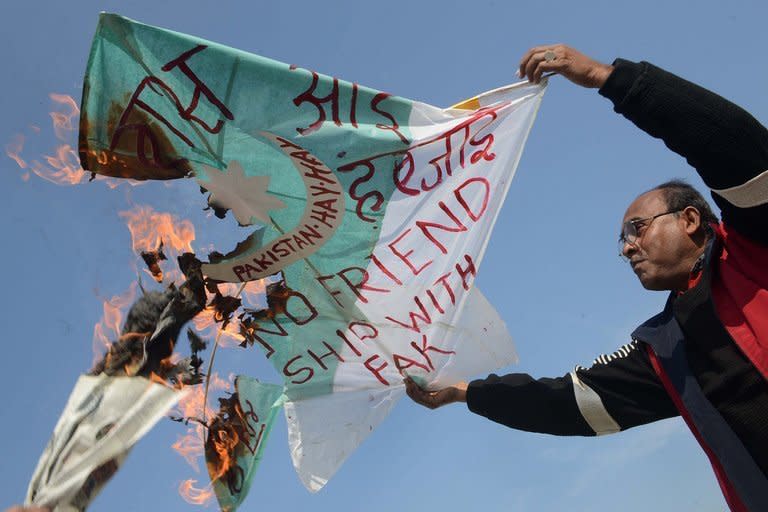
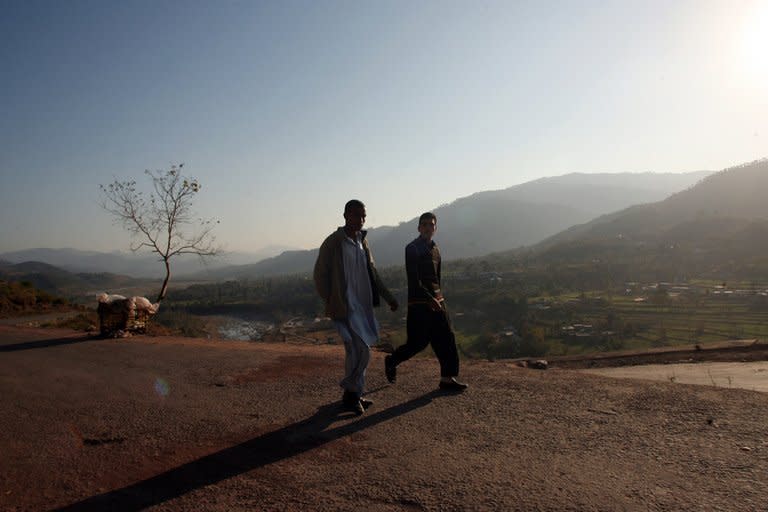
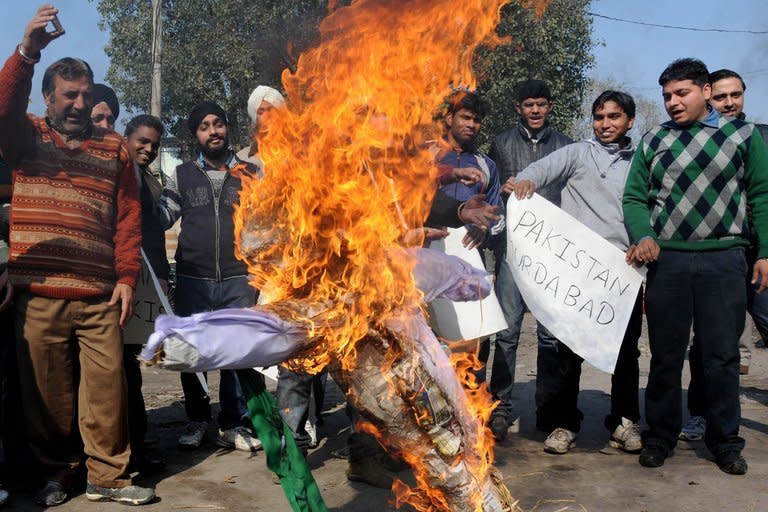
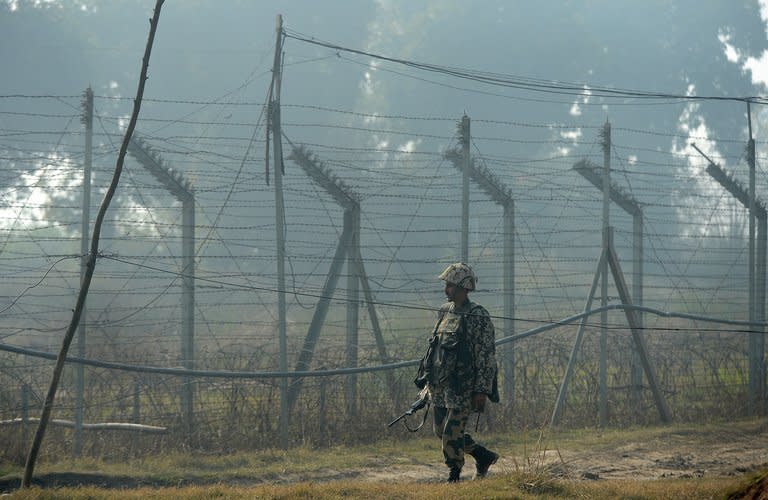
Pakistan said one of its soldiers was killed Thursday by "unprovoked" Indian firing across their tense border in Kashmir, the third deadly incident reported in five days in the disputed region. The Pakistan military said the incident happened in the Battal area of the Himalayan region. An Indian army spokesman said it was Pakistan which opened fire and Indian soldiers retaliated. "Pakistan Army soldier, Havildar Mohyuddin, embraced shahadat (martyrdom) due to unprovoked firing by Indian troops at Hotspring sector in Battal at 2:40 pm (0940 GMT) today," the Pakistani military said. "Today, India troops resorted to unprovoked firing at a Pakistani post named Kundi," it added, giving no further details. An Indian army spokesman told AFP that the Pakistani side opened fire at around 5:00 pm (1130 GMT) in Indian Kashmir's frontier Poonch region, where two Indian soldiers were killed on Tuesday. "The firing is still on and we are retaliating. Both sides are using small and automatic weapons," said the spokesman, Colonel R.K. Palta. The United States has urged the nuclear-armed rivals to cool tensions along the heavily militarised Line of Control, the de facto border in divided Kashmir. On Tuesday India said two of its soldiers were killed by Pakistani troops and one of them was beheaded. Pakistan denied any responsibility. On Sunday the Pakistani army accused India of killing one of its soldiers and wounding another in a cross-border attack. India said its troops had opened fire following a Pakistani mortar attack, but denied they crossed the border. In the Battal area and right on the Line of Control, Pakistani residents of Darmasaal village said Thursday they had been confined to their homes by heavy firing for days. "We are scared. We can't come out because the area is under constant fire," Shaukat Butt, 38, told AFP. "We used to cross the river by boats but yesterday Indian soldiers fired at our boat, so everybody is confined inside now and the boats have stopped." Kashmir, a Muslim-majority territory, is claimed in full by both countries but divided between the two. It has been the cause of two of their three wars since independence from Britain in 1947. A ceasefire has been in force along the Line of Control since 2003 but there are sporadic violations on both sides. Despite claims and counter-claims this week, both countries have appeared determined to prevent the killings from wrecking a fragile peace process. This resumed in 2011 after being suspended by India over the 2008 attacks on Mumbai, which New Delhi blamed on Pakistan-based militants. In the initial aftermath of the killings on Tuesday, Indian Foreign Minister Salman Khurshid railed against the "ghastly" attack. But by the next day he was telling reporters: "We cannot and must not allow for an escalation of a very unwholesome event that has taken place." His Pakistani counterpart, Hina Rabbani Khar, welcomed his comments. "There was, I believe, a sense of trying to de-escalate on their side... and I think that is the right way to go," she told reporters on Thursday. "Let me convey once again, even at this time, our commitment to normalise relations with India and when we say normalise relations with India we are talking about normalising in all aspects," she added. Relations between political leaders of both countries had been slowly improving. Opening up trade and offering more lenient visa regimes have been discussed at recent high-level talks, and analysts say neither side wants to undo all the hard work. But the tentative peace talks have made no progress on the issue of Kashmir. Privately, senior Indian military officers have said they want to see the beheading avenged on the ground as a question of "honour".
